The Role of the Motorsports Prototype Hydraulic Press in Racing

What Motorsport Engineering Services Can Do for Your Program
Motorsport engineering services cover the full range of technical support needed to design, build, and optimize a race vehicle — from initial concept through to trackside performance.
Here is a quick overview of what these services typically include:
| Service Area | What It Covers |
|---|---|
| Vehicle Dynamics | Suspension tuning, chassis setup, handling optimization |
| Rapid Prototyping | CNC machining, 3D printing, injection molding |
| Data & Telemetry | ECU tuning, data acquisition, race strategy |
| Custom Components | Fabrication of brackets, mounts, and structural parts |
| Trackside Support | Race engineering, driver coaching, setup changes |
| Simulation | Lap time prediction, tire modeling, aerodynamic analysis |
These services support a wide range of disciplines — circuit racing, rally, drifting, and superbike — at every level from student competitions to world championships.
The stakes are high and the margins are tight. A single half-degree of extra lean angle on a motorcycle, for example, can shave roughly one-tenth of a second per turn off a lap time. Multiply that across 14 turns and a full race season, and the numbers add up fast.
I'm Yoshihiro Hidaka, founder of Hidaka USA, Inc., and with over three decades of experience in automotive prototype and precision metal fabrication, I have seen how motorsport engineering services demand both speed and accuracy from manufacturing partners. In the sections below, we explore how modern engineering solutions — including hydraulic pressing — help racing programs stay competitive.
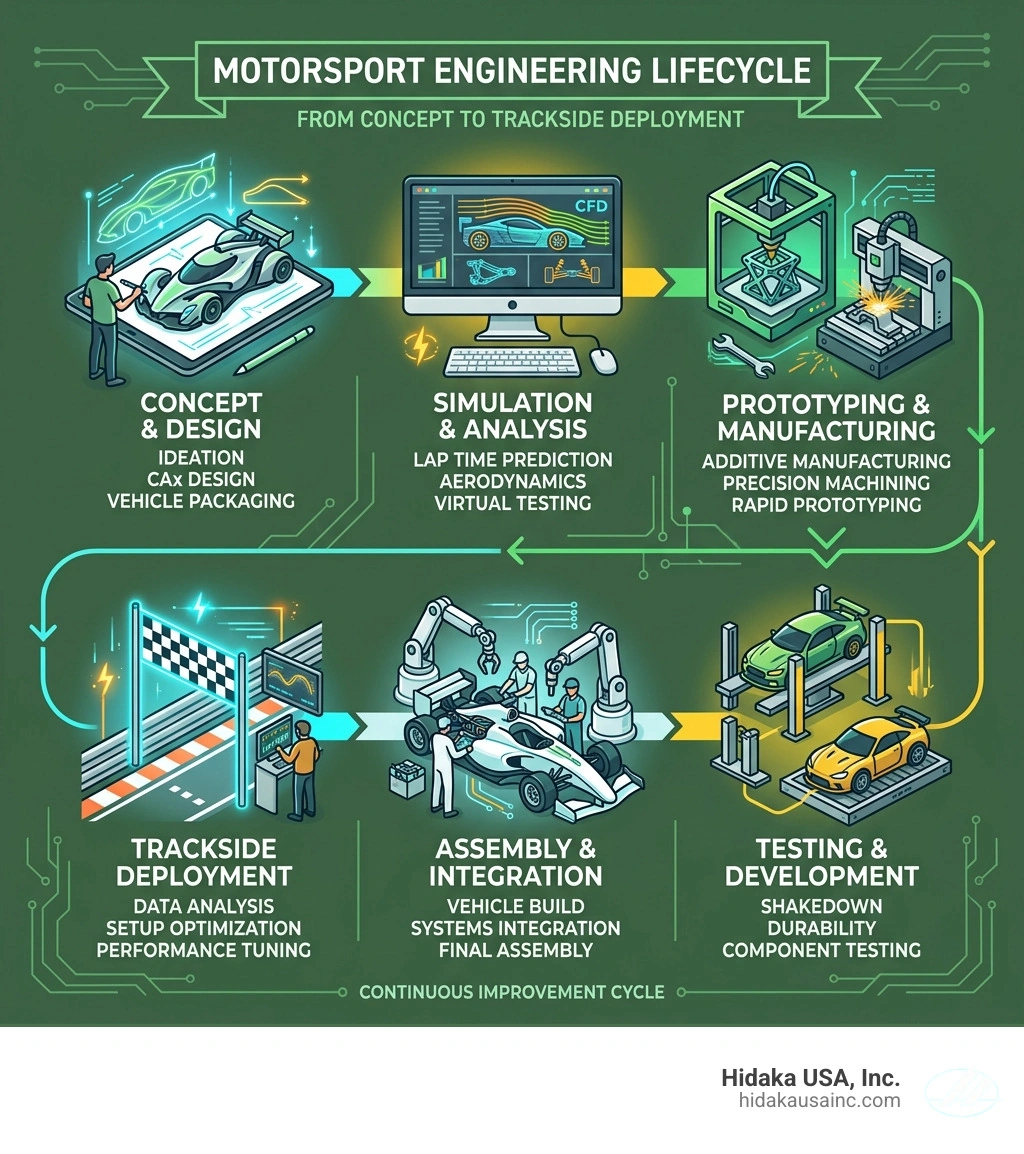
Motorsport engineering services terminology:
Core Disciplines and Engineering Specializations
In high-stakes racing, motorsport engineering services aren't a one-size-fits-all solution. Each discipline, from the high-speed ovals of NASCAR to the grueling dirt tracks of rally racing, requires a unique blend of mechanical expertise and creative problem-solving. Whether we are looking at circuit racing, where consistency and aerodynamic efficiency are king, or drifting, where suspension travel and steering angle are paramount, the engineering must be precise.
Specialists in Race Engineering Services focus on the fundamental "triangle" of performance: the driver, the vehicle, and the environment. By analyzing how these three interact, engineers can tailor a car’s behavior to a specific track's characteristics. This involves deep dives into vehicle dynamics, chassis design, and the development of carbon composites to shed weight while maintaining structural integrity. In superbike racing, for instance, the focus often shifts toward electronics and engine calibration, where custom firmware can make the difference between a podium finish and a mid-pack result.
Powertrain development also plays a critical role. It’s not just about raw horsepower anymore; it’s about how that power is delivered. Engineers work on engine systems development to ensure the torque curve matches the driver's needs, whether they are exiting a tight hairpin in a rally stage or powering down the long straight at an Ohio road course.
Specialized Vehicle Dynamics and Suspension Tuning
When we talk about vehicle dynamics, we are really talking about the "science of handling." This is where the rubber literally meets the road. Suspension geometry, damper tuning, and kinematics are the tools engineers use to manage the contact patch of the tires.
Using Ahlman Engineering | Services, teams can access over 20 years of expertise in chassis and vehicle dynamics development. This includes creating high-fidelity ride and handling physics models that predict how a car will react to bumps, weight transfer, and steering inputs before the wheels ever touch the asphalt.
Key areas of focus in suspension tuning include:
- Kinematics and Compliance (K&C): Understanding how the suspension moves and how the chassis flexes under load.
- Damper Optimization: Measuring real-world damper force to ensure the car remains stable over varied terrain.
- Predictive Analysis: Using "magic numbers" and mathematical models to predict the fastest possible lap times based on specific setup changes.
This blend of art and science allows teams to quantify understeer and oversteer, giving drivers a predictable, "pointable" car that inspires confidence.
Integrating Education and Professional motorsport engineering services
The future of motorsport engineering services is being built today in university laboratories. Programs like those at UNC Charlotte have become the primary pipeline for professional racing talent. In fact, nearly a quarter of all NASCAR Cup Series race engineers are graduates of UNC Charlotte. This isn't a coincidence; it's the result of integrating hands-on training with rigorous academic standards.
Educational programs often use High-Performance Motorsport Engineering and Education Services | Motorsport Nation to bridge the gap between theory and practice. Students participating in Formula SAE or similar design-build-race challenges learn the importance of Quality Control ISO Standards early in their careers. They aren't just drawing parts on a screen; they are manufacturing them, testing them, and often failing—which is the best way to learn.
These university teams often achieve incredible results, such as the UNC Charlotte Formula SAE team securing 2nd place overall in 2024. By working with professional manufacturing partners, these students gain exposure to industry-grade equipment like engine dynos, shock dynos, and rapid prototyping tools, ensuring they are "race-ready" the moment they graduate.
The Impact of Rapid Prototyping on motorsport engineering services
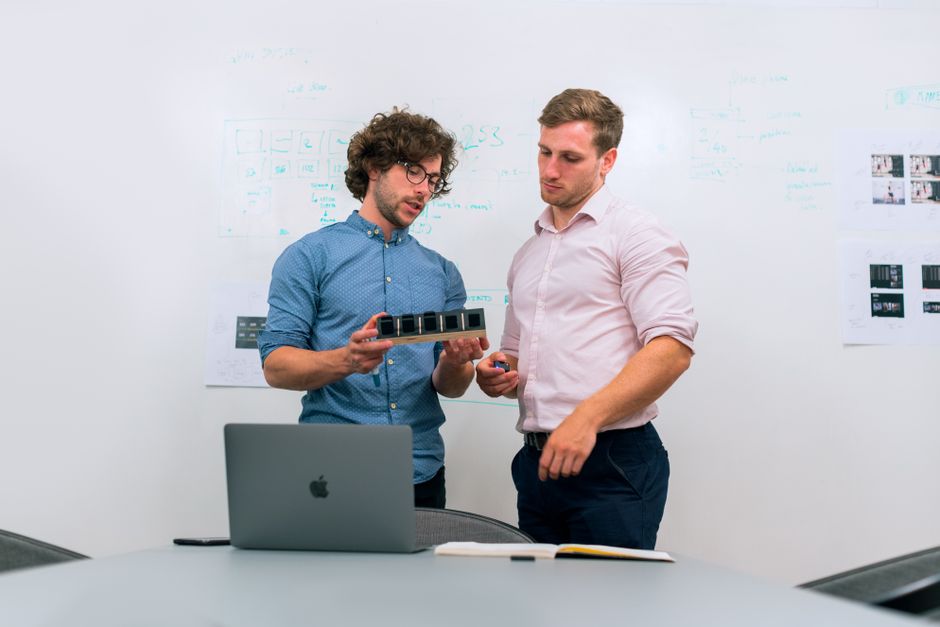
In racing, "fast" isn't just a measurement of speed on the track; it’s a measurement of how quickly you can innovate. This is where Automotive Metal Prototype Specialists come into play. When a team discovers a weakness during a Sunday race, they often need a solution designed, tested, and manufactured by the following Friday.
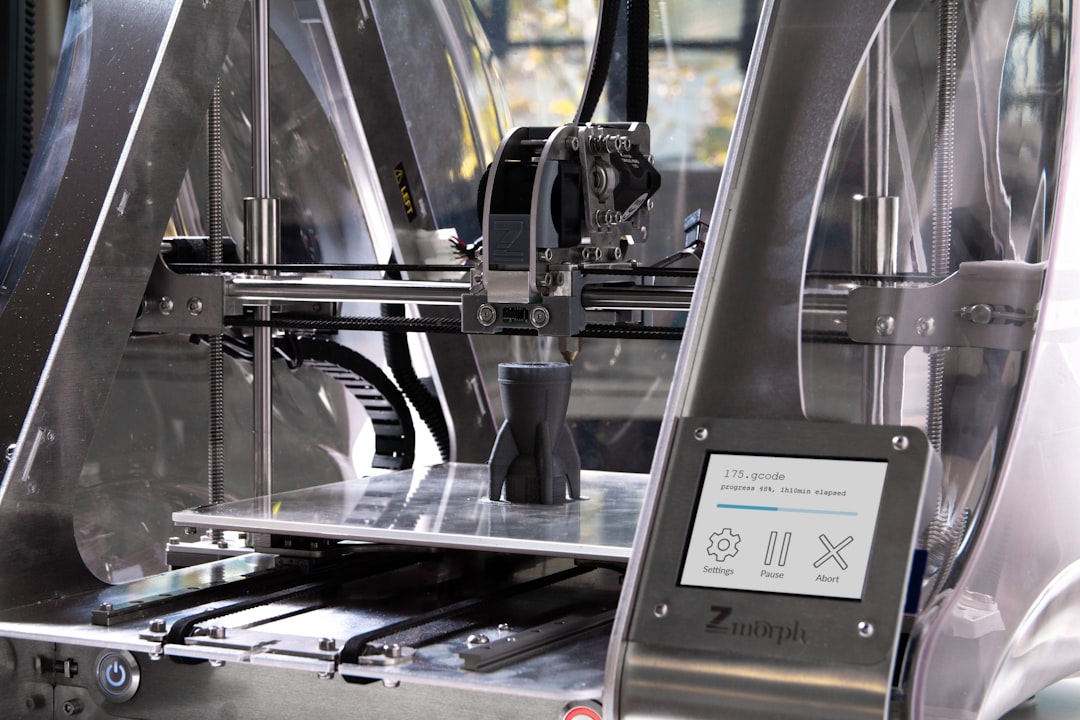
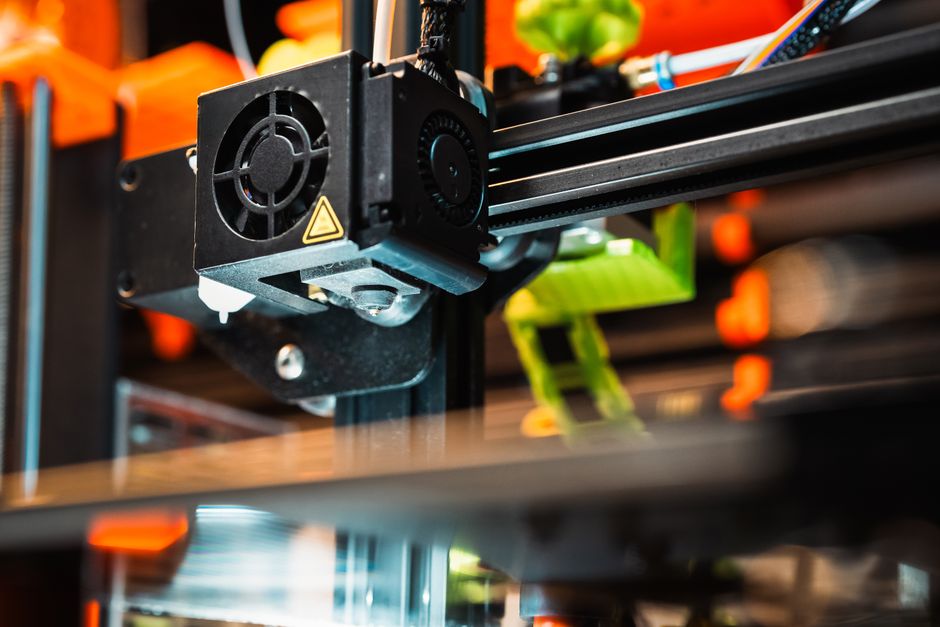
Rapid Metal Prototyping has revolutionized this timeline. By utilizing Rapid Prototyping CNC Machining, 3D printing, and digital manufacturing, components that used to take months to develop can now be produced in days—or even hours. For example, some digital manufacturers have delivered NASA-sourced parts in as little as 36 hours.
This speed allows for:
- Faster Iteration: Testing five different wing endplate designs in the time it used to take to make one.
- Weight Reduction: Using 3D-printed titanium or specialized alloys to create organic, lightweight shapes that traditional machining can't touch.
- Cost Savings: Identifying design flaws in the prototype phase before committing to expensive mass production.
Hydraulic Pressing and Custom Component Manufacturing
While 3D printing gets a lot of the headlines, the backbone of structural racing components often remains high-strength metal. This is where High Precision Stamping Services and Sheet Metal Fabrication become essential.

In our facility in Dublin, Ohio, we use hydraulic presses to create parts that require extreme structural integrity and heat resistance. Whether it’s an ECU holder for a racing motorcycle or a reinforced suspension mount for a touring car, the hydraulic press allows for the creation of complex, high-strength parts in small batches.
Unlike traditional mass production, Prototype Machining for motorsports focuses on precision and repeatability for "low-volume, high-value" components. These parts must withstand the vibration and thermal stress of a 24-hour endurance race without failing. By combining CNC-machined molds with hydraulic pressing, we can deliver functional, race-ready parts in under 60 days—a timeline that was unheard of just a decade ago.
Performance Optimization and Trackside Support
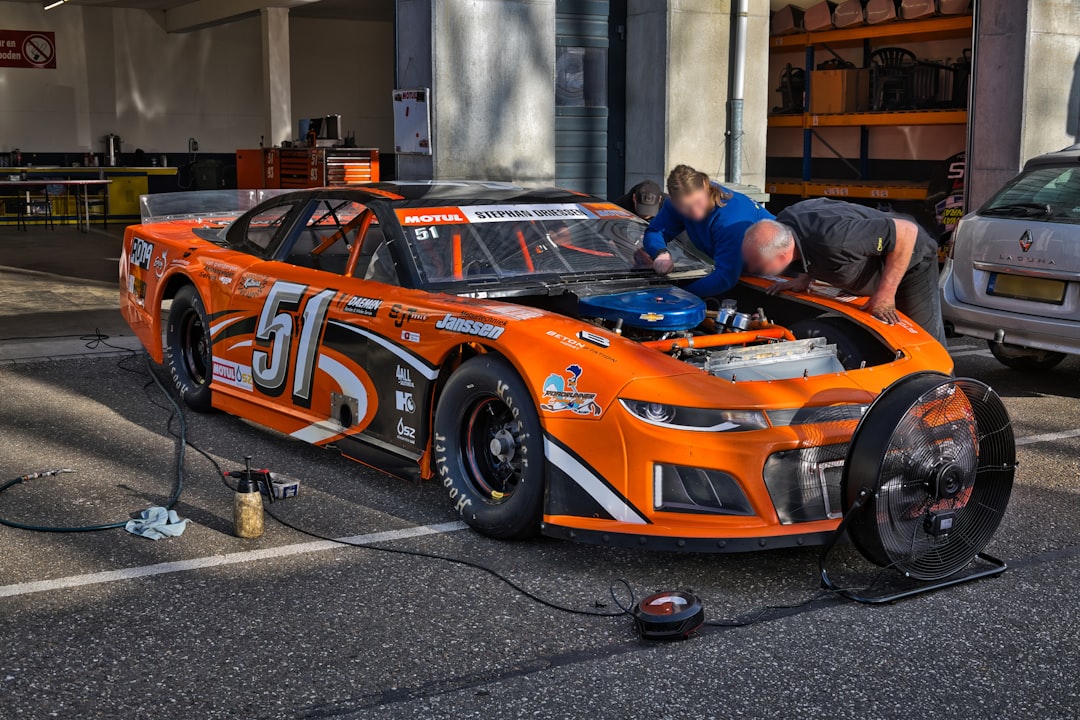
The work doesn't stop once the car leaves the shop. Modern motorsport engineering services extend directly to the pit wall. This is a world of data acquisition, where every sensor on the car feeds back information in real-time via telemetry.
Engineers use Automotive Laser Cut Prototypes to quickly test aerodynamic tweaks at the track. If a car needs more cooling, a new vent can be designed and 2D Laser Cutting Services can produce the necessary baffles or brackets almost instantly.
Advanced simulation tools also play a massive role. Before the trailer even unloads, engineers have run thousands of "virtual laps" to determine the best baseline setup. This includes engine calibration and ECU tuning to ensure the car is optimized for the local humidity, temperature, and altitude of the specific track.
Performance Optimization through Advanced motorsport engineering services
Trackside support is about more than just turning wrenches; it’s about managing the "race math." This includes race strategy, fuel management, and tire wear prediction. A great engineer can look at the data and tell a driver exactly where they are losing time—perhaps they are braking too early in Turn 4 or not using enough of the curb in Turn 9.
| Metric | Simulation Prediction | Real-World Track Data | Variance |
|---|---|---|---|
| Lap Time | 1:24.50 | 1:24.62 | +0.12s |
| Top Speed | 168 mph | 166 mph | -2 mph |
| Brake Temp | 450°C | 475°C | +25°C |
| Fuel Usage | 2.1 gal/lap | 2.2 gal/lap | +0.1 gal |
As seen in the table above, the goal of motorsport engineering services is to close the gap between simulation and reality. When the variance is small, the team can make confident decisions about when to pit and how hard the driver can push the tires. This level of optimization is what leads to championship wins and podium finishes.
Frequently Asked Questions about Motorsport Engineering
What are the core services offered by motorsport engineering companies?
The core services include vehicle dynamics (suspension and handling), powertrain development (engine tuning and ECU calibration), rapid prototyping (CNC, 3D printing, and metal fabrication), and trackside support (data analysis and race strategy). These companies provide the technical expertise to take a vehicle from a concept to a competitive race car.
How does rapid prototyping provide a competitive edge in racing?
Rapid prototyping allows teams to iterate on designs much faster than their competitors. If a part fails or a new aerodynamic idea is conceived, rapid manufacturing can produce a testable part in days. This allows for "weekly incremental improvements" that result in a significant performance advantage over a full season.
What should teams consider when selecting an engineering partner?
Teams should look for a partner with a proven track record (wins and podiums), specialized expertise in their specific discipline (e.g., rally vs. circuit), and the ability to provide end-to-end support—from initial CAD design to final manufacturing and trackside data analysis. Location can also be a factor, especially for teams needing quick turnaround times for physical components.
Conclusion
At Hidaka USA, Inc., we understand that in racing, every second counts—and every millimeter matters. As a Precision Metal Stamping Manufacturer Ohio, we are proud to support the motorsports industry with high-quality, American-made prototypes and components. Our 95,000-square-foot facility in Dublin, Ohio, is equipped to handle the most demanding engineering challenges, providing the structural integrity and rapid iteration that modern racing teams require.
By partnering with a dedicated engineering and manufacturing firm, teams gain more than just parts; they gain a competitive edge through cost savings, faster development cycles, and the peace of mind that comes with ISO 9001-certified quality control. Whether you are a professional team chasing a championship or a university team building your first Formula SAE car, the right motorsport engineering services make all the difference.
For More info about motorsport prototyping services, reach out to our team in Ohio. Let’s build something fast together.